Ali Ata Indicates the Role of Digital Transformation in Modern Business Growth
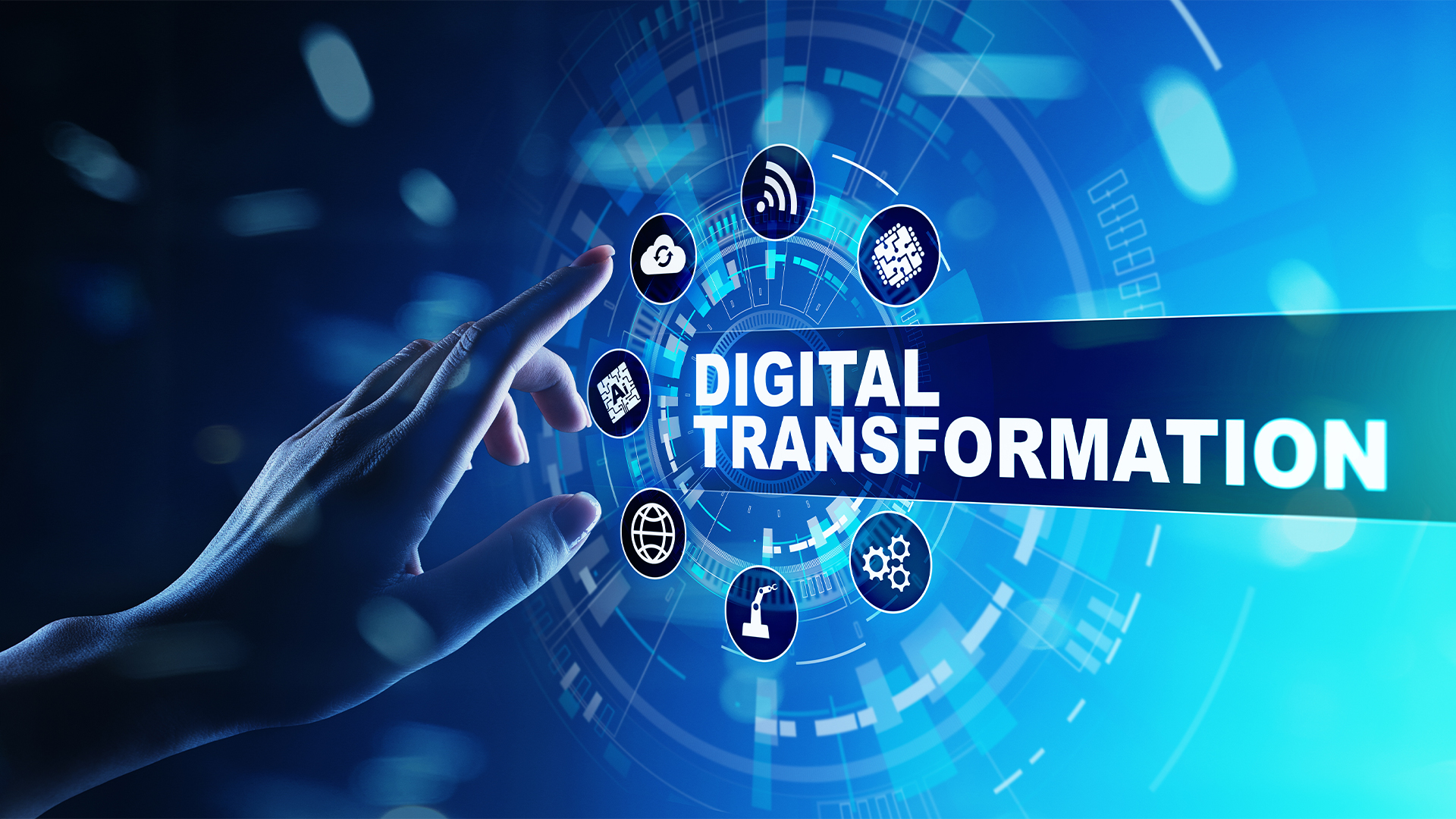
Digital transformation has become a driving force in shaping competitive businesses. As per Ali Ata, its role in enabling companies to stay agile, efficient, and customer-focused in an evolving marketplace is critical. As technology continues to evolve, the ability to adapt becomes a decisive factor in long-term success, influencing how businesses operate, compete, and grow.
Understanding Digital Transformation
Digital transformation involves integrating digital technologies into every area of a business. This shift changes how organizations operate and deliver value to customers. It also requires a cultural change, encouraging innovation and adaptability. Beyond technology, it demands leadership commitment, employee engagement, and a willingness to challenge traditional methods. Successful transformation combines the right technology with a mindset focused on continuous improvement.
Core Benefits for Modern Businesses
- Increased Efficiency: Automation reduces manual work and speeds up processes, allowing teams to focus on high-value tasks.
- Enhanced Customer Experience: Data-driven insights enable personalized interactions that build loyalty and trust.
- Agility: Businesses can quickly adapt to market changes, new regulations, and shifting consumer demands.
- Cost Savings: Streamlined operations reduce overhead expenses, freeing resources for innovation and strategic projects.
- Improved Collaboration: Cloud-based platforms and digital tools enhance communication across teams and geographies.
- Competitive Differentiation: Digital-first companies are often able to outperform competitors in both speed and service quality.
Strategic Role in Business Growth
Digital transformation is more than adopting new tools. It’s about aligning technology with business goals to unlock growth potential. Companies leveraging cloud computing, AI, machine learning, and data analytics can gain a competitive edge. These technologies help identify new opportunities, improve decision-making, forecast trends, and create products or services that meet evolving market needs. Businesses that strategically integrate these technologies are better positioned to innovate and capture market share.
Challenges in Implementation
- High Initial Investment: Upgrading infrastructure and training staff can be costly, requiring careful budgeting and phased planning.
- Resistance to Change: Employees may be reluctant to adopt new systems without proper guidance, communication, and leadership support.
- Cybersecurity Risks: Increased digital operations require stronger security measures to protect sensitive data and maintain compliance.
- Integration Issues: Merging new technologies with legacy systems can cause delays if not planned properly, often necessitating external expertise.
- Skill Gaps: Without upskilling initiatives, teams may struggle to maximize new tools and platforms.
Steps for Successful Digital Transformation
- Define clear goals aligned with business objectives and customer expectations.
- Assess current digital capabilities and identify skill or infrastructure gaps.
- Invest in scalable, secure technologies that can grow with the business.
- Train employees to adapt to new tools and foster a culture of innovation.
- Establish metrics to measure progress and impact on operations.
- Monitor results regularly and refine strategies based on performance data.
- Engage leadership at all levels to champion transformation initiatives.
Real-World Impact of Transformation
According to Ali Ata, companies that successfully implement digital transformation often see measurable improvements in productivity, customer satisfaction, and profitability. They can respond faster to market changes, launch innovative products, and maintain relevance in competitive industries. Such transformation also strengthens resilience against economic fluctuations and industry disruptions. In many cases, it opens the door to entirely new business models, revenue streams, and partnerships.
Furthermore, digital transformation often accelerates sustainability goals. By digitizing operations, businesses can reduce paper usage, optimize supply chains, and improve energy efficiency. These improvements not only lower environmental impact but also align with growing consumer demand for eco-friendly practices, creating a stronger brand image.
Digital transformation is no longer optional. It is a strategic necessity for growth, resilience, and customer engagement. As per Ali Ata, the businesses that embrace this change are the ones best positioned to lead in the modern economy, adapt to unforeseen challenges, and capture new opportunities in an increasingly digital world.











Post Comment