Minimally Invasive Surgery for Young Spines: Key Considerations for Adolescents and Young Adults
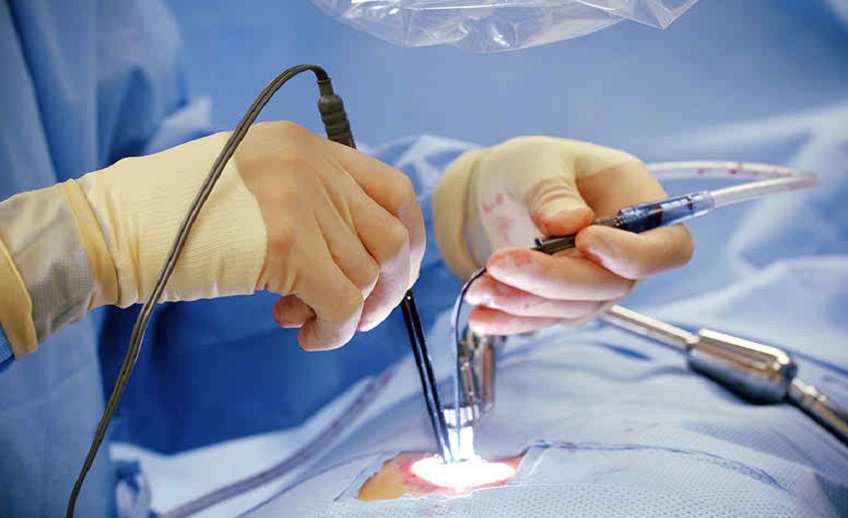
Spinal conditions such as scoliosis, herniated discs and disc injuries are increasingly prevalent among adolescents and young adults, particularly those engaged in sports. These conditions can significantly impact mobility and quality of life, often requiring surgical intervention. Traditional open surgeries, involving large incisions and extended recovery periods, have been the standard approach. However, the advent of Minimally Invasive Spinal Surgery (MIS) has improved treatment options. Dr. Larry Davidson, a neurosurgeon specializing in complex spinal conditions, has been instrumental in advancing these less invasive techniques, helping to reduce the risks and discomfort associated with traditional spinal surgery.
With MIS, the process is significantly streamlined. Smaller incisions, real-time imaging and specialized instruments now allow surgeons to treat spinal issues with minimal disruption to surrounding tissues. This approach provides faster recovery times, reduced pain and fewer complications. For adolescents and young adults, especially those involved in athletics, this translates into quicker returns to their routines and active lifestyles. In this article, we explore how MIS offers an optimal solution for treating scoliosis, herniations and disc injuries in young patients, and why this is a preferred method in today’s surgical landscape.
Understanding Spinal Conditions in Adolescents and Young Adults
Spinal conditions in adolescents and young adults vary, but certain issues are more common in this age group. Scoliosis, a condition where the spine develops an abnormal curvature, typically appears during the adolescent growth spurt. In mild cases, it can be managed with bracing. However, more severe cases often require surgical intervention. Traditionally, spinal fusion surgery was the go-to treatment, but it involved significant muscle dissection and lengthy recovery periods. Thanks to MIS, these surgeries now require smaller incisions, reducing muscle disruption and allowing for a faster recovery, while still achieving effective spinal correction.
Another common spinal issue in young athletes is herniated discs. Athletes involved in high-impact sports are particularly prone to this condition, where the inner material of the disc bulges out and compresses nerves, leading to pain, numbness or weakness. In the past, treating herniated discs involved open surgery with large incisions. Today, minimally invasive spinal procedures let surgeons remove the herniated part of a disc through much smaller incisions, minimizing muscle disruption and speeding up recovery. This approach has been particularly valuable for young athletes, helping them get back to their sports faster.
Why MIS is Ideal for Younger Patients
Adolescents and young adults face unique challenges when undergoing spinal surgery, as their spines, muscles and surrounding tissues are still developing. Traditional open surgery, which involves large incisions and extensive muscle dissection, can disrupt growth and lead to longer recovery times. Minimally invasive surgery is particularly suited to young patients because it uses smaller incisions and specialized tools to treat the affected area, with minimal disruption. The procedure is precise and reduces the risk of damage to surrounding tissue, which is essential when operating on patients whose bodies are still growing.
The shorter recovery times associated with MIS are another significant benefit for younger patients. For active adolescents and young adults, long recovery periods can have a major impact on their schooling, social life and sports. MIS allows them to recover quickly, often returning to their routine in a matter of weeks instead of months. For athletes, returning to their sport in a timely manner is critical, and MIS helps minimize the time lost to surgery, ensuring they can get back to performing at their best.
The Role of Technology in MIS for Young Patients
The success of minimally invasive spinal surgery is largely due to technological advancements. Real-time imaging, including fluoroscopy and neuronavigation, has advanced how surgeons approach spinal surgery. These imaging systems provide surgeons with detailed, live views of the spine during surgery, allowing for precise navigation of the complex spinal anatomy, especially in younger patients whose spines may still be developing. This level of precision minimizes the risks associated with surgery, ensuring better outcomes, with fewer complications.
Another technological advancement is robotic-assisted surgery, which enhances the surgeon’s control and accuracy during procedures. This technology allows for even smaller incisions and greater dexterity, making it easier to perform surgeries with minimal disruption to surrounding tissues. Robotic systems and advanced imaging technologies are critical in ensuring that young patients experience a more effective and less traumatic surgery. The precision and reduced recovery time offered by these technologies make MIS an ideal option for adolescents and young adults.
Shared Decision-Making in Spinal Surgery
When it comes to spinal surgery in adolescents and young adults, shared decision-making is an important part of the process. Dr. Larry Davidson highlights that with better access to information about their conditions and treatment options, patients are more involved in decisions about their care. In the case of spinal surgery, this approach is crucial because it allows patients, along with their families, to choose the treatment plan that best aligns with their needs, lifestyle and goals. MIS offers a less invasive solution compared to traditional surgery, and many patients appreciate the opportunity to recover more quickly and with fewer risks.
This shared decision-making process ensures that the patient’s preferences are considered. By explaining the benefits and risks of MIS, surgeons empower young patients to make informed decisions that will affect their long-term health and quality of life. The ability to choose a treatment plan with minimal disruption to their active lifestyles encourages patients to feel more in control of their health journey.
The Future of Spinal Surgery: A Brighter Path for Young Patients
The future of spinal surgery for adolescents and young adults is becoming brighter with the continued advancement of minimally invasive techniques. With innovations in surgical methods, tools and technology, MIS is allowing surgeons to treat spinal conditions more effectively, with fewer complications and faster recovery times. These advancements help ensure that young patients can return to their active lives with minimal interruption, offering hope for those who need spinal surgery.
The integration of robotic systems, artificial intelligence and other technological innovations is further enhancing the precision and safety of minimally invasive spinal surgery. As these technologies develop, MIS’s effectiveness will only improve, ensuring that young patients receive the best possible care. With each breakthrough, the future of spinal surgery holds great promise for young people, offering them the opportunity to heal faster, experience fewer risks and enjoy an active, fulfilling life.











Post Comment